- Blogs
- cars for sale
- Cars for Sale in Syria: A Guide to Choosing the Right Car
Cars for Sale in Syria: A Guide to Choosing the Right Car
17 November
1
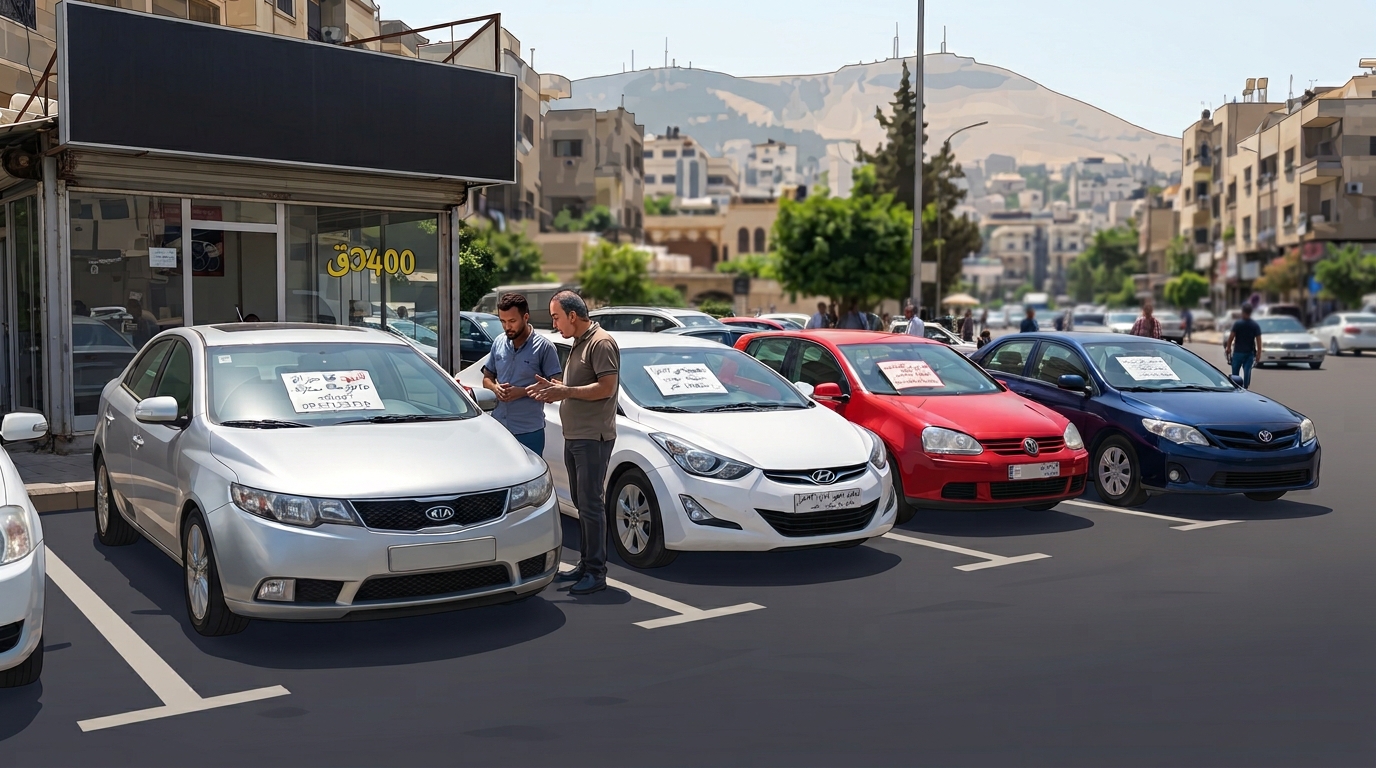
If you search for cars for sale in Syria, you are probably looking for options that fit your budget, location, and day-to-day needs. A well-organized car listing can help you build a shortlist, but choosing the right vehicle takes more than comparing asking prices or photos. Check the details, ask the seller clear questions, and arrange an in-person inspection before you agree to buy.
On Dalelook’s vehicles for sale in Syria page, you can open the car category and browse listings from different areas. Use the information in each ad to narrow your options, then contact the seller about anything the photos do not show. If you are selling a car, you can also post your ad on Dalelook with an accurate description and recent photos so interested buyers can learn what you are offering.
Start With What You Need From a Car
Before comparing prices or choosing a make, write down how you plan to use the car. Think about how many people you usually carry, the kinds of roads you drive on, how far you travel each day, and how much space you need for luggage. These questions help you rule out unsuitable options and focus on cars that make sense for your routine.
A small car may suit city driving and easier parking, while a family may need more room for passengers and bags. If you travel often or use a mix of city and rural roads, consider comfort, fuel use, tyre condition, and suspension as well as body style.
Decide what matters most to you about buying new or used. A new car may appeal because it has no previous owner’s use, while the used market can offer more choice across different budgets. Still, model year alone does not tell you whether a car is a good purchase. Condition, maintenance history, and the way the previous owner used it can change the value of an individual vehicle considerably.
Before you search, set a few practical limits:
· The maximum amount you can spend, including inspection and initial maintenance.
· The body styles you would consider, such as a sedan, hatchback, or family SUV.
· The makes or models you want to compare.
· The mileage range you are comfortable with, while remembering that mileage alone does not prove a car’s condition.
· The city or area where you can conveniently inspect a car.
· Essential features such as transmission type, fuel type, or seating capacity.
Browse Cars for Sale by Make and Location
Start with car listings on Dalelook, then use the available search tools to narrow the results. Selecting a location can help you find cars closer to you. Search options can also help you compare by price, mileage, and year of manufacture. You can browse pages for particular makes or models too, such as Kia cars for sale or Hyundai Sonata listings.
Do not limit your search to one city if travelling is practical. Before arranging a visit, consider the time and cost, and ask the seller where the car is currently located. The area shown in an ad may differ from the place where you will inspect it.
Save listings that meet your basic requirements and compare them side by side. Start with the make, model, year, mileage, transmission, fuel type, stated condition, and price. Then read the description, review the photos, and check the available contact options. This gives you a consistent way to compare several cars instead of relying on memory or a first impression.
If your first search does not produce a suitable result, adjust one filter at a time: expand the area, consider a nearby model year, or add similar models. Keep your safety and budget requirements firm, especially when an ad leaves a major fault or important detail unexplained.
How to Compare Car Listings
Comparing asking prices is not enough. Look at what each price includes: the car’s year, mileage, condition, features, maintenance record, and any available information about previous ownership. If two listings are for the same model, a difference in condition or equipment may explain a difference in price, but do not assume that is the reason without asking and inspecting the vehicle.
|
Listing detail |
What to check |
|
Year and model |
Do the details in the ad match the vehicle documents? |
|
Mileage |
Does it seem consistent with the interior and the condition of commonly worn parts? |
|
Transmission and fuel |
Do they suit how you intend to use the car? |
|
Vehicle condition |
Does the seller mention faults or previous repairs? |
|
Location |
Can you inspect and test-drive the car conveniently? |
|
Photos |
Do they show several angles, including the interior and bodywork? |
|
Price |
Does it reflect the stated condition and features, and is the currency clear? |
Pay attention to the description. Mentioned scratches, replaced parts, or upcoming maintenance give you specific questions to ask. General claims such as “very clean” do not tell you enough to judge the car.
Compare several ads for the same model. One asking price is not enough: it may be negotiable or outdated. Ask which currency the seller uses and whether the price is firm, and record the answer for each listing. Confirm the amount directly instead of relying on an estimated conversion.
Make a simple comparison sheet with each car’s price, year, mileage, location, and disclosed repairs. Add notes after conversations or inspections, and mark anything you have not verified. This helps compare a lower-priced car that needs work with a higher-priced one that has a clearer maintenance history.
Inspect the Car Before Paying
Photos and descriptions help you decide which cars are worth visiting, but they cannot replace an in-person inspection. Arrange a meeting at a suitable, safe location and ask to see the car in conditions where you can check it properly. If you are not comfortable assessing mechanical condition, bring a mechanic you trust or arrange an independent inspection at a workshop before deciding.
Check the Body and Interior
Walk around the car and inspect the doors, fenders, bonnet, and boot. Look for obvious differences in paint colour, uneven gaps between panels, or signs of poor repairs. Check the glass, lights, and tyres, and notice whether tyre wear is even or concentrated on one side. Any single mark does not prove a serious problem, but it can give you a reason to ask a question or request a specialist inspection.
Inside the car, try the seats, seat belts, windows, locks, air conditioning, lights, and any screen or equipment that matters to you. Look at the steering wheel, pedals, and seats, and consider whether their condition seems consistent with the mileage shown. Interior wear is not a complete assessment, but it can help you build a more realistic picture of how the vehicle has been used.
Arrange an Independent Mechanical Inspection
Ask a qualified mechanic to check the engine, transmission, brakes, suspension, steering, cooling system, and electrical components. Ask what faults need attention soon and what maintenance may be needed later. Do not settle for “the car is fine” without knowing what was checked.
Ask for the findings in plain language and, if possible, a written repair estimate. Use it to decide whether to continue, negotiate, or walk away. Do not let a seller’s deadline prevent an inspection that matters to your decision.
Match the Information and Ask About Maintenance
Ask to see the vehicle documents and available maintenance information. Compare the make, model, year, and identification details with the car. Ask about service records, major-part replacements, accidents, previous repairs, and the reason for selling. Clarify any unclear answer before you agree to anything.
Make a note of important answers. If information changes between the online conversation and the viewing, or the seller will not clarify a significant detail, pause. Do not pay a deposit until you have checked the car, confirmed who you are dealing with, and agreed on the price and next steps.
Test-Drive the Car and Check That It Suits You
If the seller agrees, test-drive the car on a safe, suitable route. Listen to the engine when it starts, notice how it responds, and try the brakes, steering, and transmission during normal driving. Pay attention to vibration, unfamiliar sounds, or warning lights on the dashboard, and ask your mechanic to explain anything you notice.
A short drive does not replace an inspection, but it can show whether the car feels comfortable and practical. Check visibility, seating, passenger space, air conditioning, and how it handles the traffic and parking conditions you face regularly.
Ask about anything unusual you observed. If the car needs a repair, get a workshop estimate before deciding whether the price still fits your budget.
Negotiate After You Understand the Car’s Condition
Start negotiating after you have gathered enough information, rather than simply because the price seems high. Use the car’s actual condition, needed repairs, and comparable listings as the basis for your offer. Stay calm, decide what amount fits your budget, and ask whether the seller is open to negotiation. If you cannot agree, thank the seller and continue your search.
Keep a record of the agreed price, currency, and terms. Do not rely on a verbal promise about a future repair. If the seller agrees to fix something, agree who will do it and when, then inspect the car again.
Leave part of your budget for initial maintenance. A used car may need oil or filter changes, tyres, or routine servicing even if the inspection finds no major fault.
If You Are Selling, Write an Ad That Answers Buyers’ Questions
A useful listing saves time for both you and potential buyers. Use a title with the make, model, year, and city, such as “Kia for sale in Damascus, 2018 model.” “Excellent car” does not tell buyers what you are offering.
In the description, include the details a buyer needs to assess the car:
· The year, model, and trim, if known.
· The mileage, transmission type, and fuel type.
· Whether the car is new or used.
· Recent maintenance and any important repairs or known issues.
· Features that work, such as air conditioning, a rear camera, or parking sensors.
· The city or area where the car is located.
· The asking price and currency, and whether the price is negotiable.
· Your preferred contact method and a reasonable time to reach you.
Be precise about mileage and specifications. Mention a faulty part, body scratch, or previous repair instead of waiting for a buyer to discover it. Accurate information sets realistic expectations and helps attract genuinely interested buyers.
Use Recent, Clear Photos
Take photos in a well-lit place and show the front, back, both sides, interior, dashboard, mileage, rear seats, and boot. Include any issue mentioned in the description. Avoid old, cropped, or obstructed photos.
Do not include features or details that you have not verified. If you are unsure about a specification, check it before publishing rather than guessing. Review the ad before posting to make sure the title, price, location, and contact details are clear. Then add your car ad to Dalelook and choose the appropriate vehicle category.
Keep Communication Organized
Check messages and calls, answer repeated questions consistently, and agree on a suitable time and place for viewings. Share only details needed to arrange the meeting. If the car sells or the price changes, update the listing.
Stay Safe When Buying or Selling
Confirm that you are speaking with the person who will inspect or sell the car. Meet in a safe public place, bring someone you trust if needed, and do not send money before seeing the vehicle. Be cautious if anyone pressures you to decide immediately.
Use a payment method you understand and can document. Do not share banking details, verification codes, or passwords. Avoid unfamiliar links sent in chats, and report an ad or user if something seems suspicious.
For more guidance, see Dalelook’s FAQ and safety advice. An online listing is a starting point for finding a car; it does not replace checking the vehicle, seller, and terms before you complete the purchase.
Frequently Asked Questions About Cars for Sale in Syria
Where can I find cars for sale in Syria?
Browse vehicles for sale on Dalelook, open the car category, and use the available location, make, price, year, and mileage options to narrow your search. Contact the seller to confirm the ad is still available and arrange an inspection.
How do I search for a car in a particular city?
Open the car listings page and choose an area or city from the available search options. If you do not find a suitable car, expand the location gradually and compare the travel time with your budget and schedule. Ask the seller where the vehicle is currently located before arranging a visit.
How can I tell whether a car’s asking price is reasonable?
Compare several listings for the same make, model, and year, taking mileage, condition, features, and location into account. Do not judge by price alone. Arrange an independent inspection to understand repairs or maintenance that may be needed, and ask the seller which currency the price uses and whether it is negotiable.
What should I check before buying a used car?
Check that the vehicle details match the available documents, and ask about mileage, maintenance, accidents, and previous repairs. Inspect the body, interior, and main systems, test-drive the car if possible, and consider bringing an independent mechanic. Do not pay before you understand the condition and terms of the agreement.
Are listing photos enough to assess a car?
No. Photos can help you remove unsuitable options and decide which cars are worth viewing, but they cannot show the full condition of the engine, transmission, body, or interior systems. Use the description and photos for an initial comparison, then inspect the car yourself or with a qualified mechanic.
How can I write an ad that attracts interested buyers?
Use a title that includes the make, model, year, and location. Add an accurate description of mileage, fuel, transmission, condition, maintenance, features, and price. Use recent photos from several angles, mention important issues clearly, and provide a contact method that you can respond to.
How do I post a car ad on Dalelook?
Go to Dalelook’s add-listing page, sign in if needed, choose the right category, and add a title, description, photos, price, and contact details. Review the information before submitting, then check your account for updates and respond to interested buyers.
What should I do if the car’s condition differs from the description?
Ask the seller to explain the difference and provide any relevant information or documents. If it concerns mechanical condition or a previous repair, consult an independent mechanic. Do not continue the deal while important facts remain unclear, and do not pay until you have checked the details that affect your decision.
Start Your Search With Clear Priorities
Finding the right car takes more than choosing a make or the lowest asking price. Set your needs and budget, compare listings using the details provided, then inspect and test-drive the car before you agree to buy. Start with car listings in Syria on Dalelook. If you are selling, prepare an accurate description and clear photos, then post your ad so interested buyers can contact you.
keywords