- Blogs
- Real Estate
- Real Estate Investment in Syria 2026 Your Comprehensive Guide to Reconstruction Opportunities and New Laws
Real Estate Investment in Syria 2026 Your Comprehensive Guide to Reconstruction Opportunities and New Laws
6 September
16
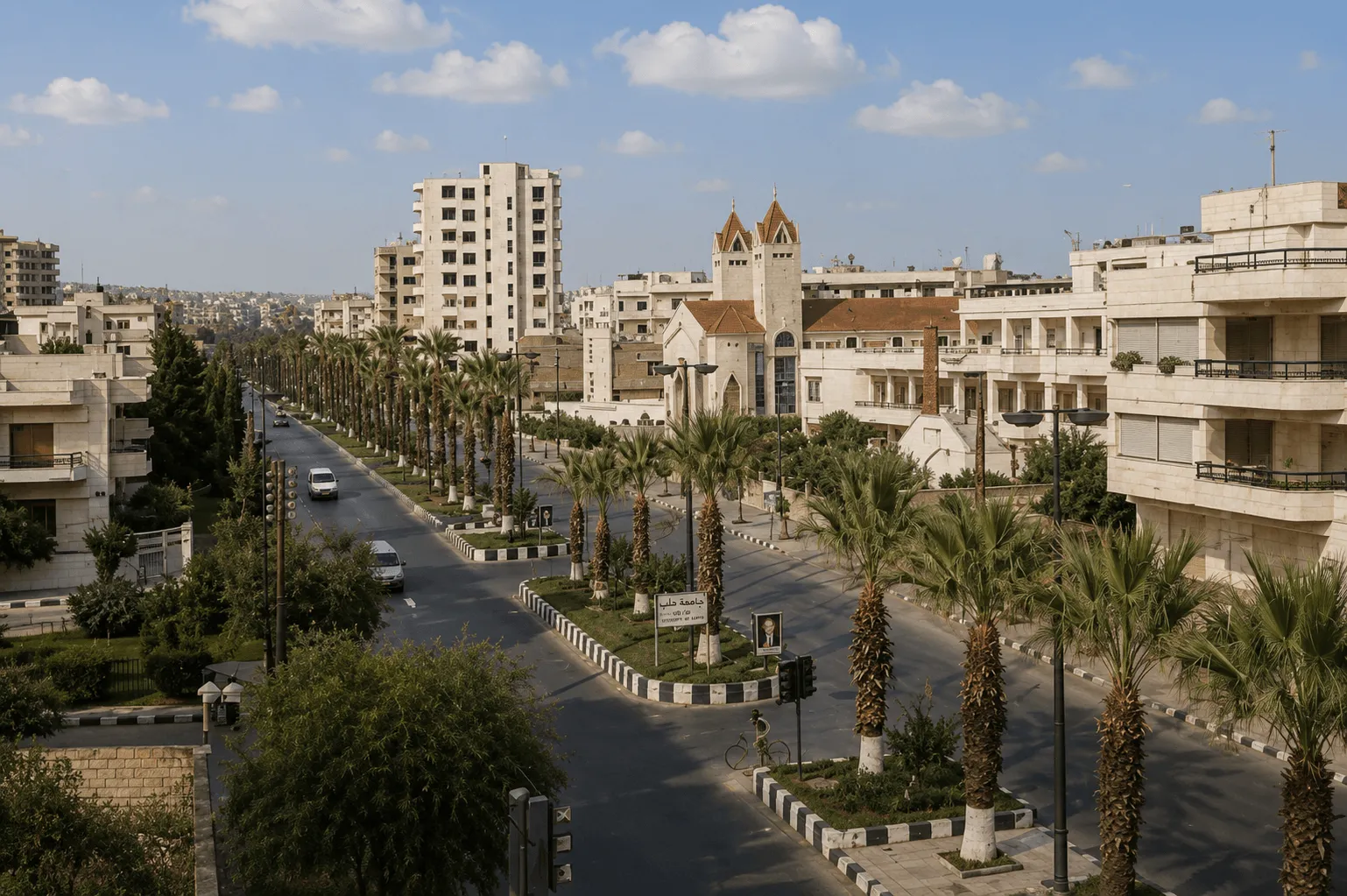
Real Estate Investment in Syria 2026 is witnessing an unprecedented historical transformation as the country officially transitions into what is known as the "Year of Reconstruction." The Syrian market is no longer just a local market relying on internal demand; it has evolved into a strategic magnet for Arab and foreign capital looking for capital multiplier opportunities in recovering emerging markets. The new laws—most notably the Investment Law and its recent amendments—have opened the doors wide for 100% foreign ownership without a Syrian partner, creating a positive shock that has redrawn the real estate map.
If you are looking for a golden opportunity to enter a market with a demand gap estimated at about 3 million housing units, 2026 is the perfect time to make a decision. In this comprehensive guide, we will take you on a detailed and deep journey to read the market reality, analyze property prices across various Syrian governorates, evaluate the new laws, and compare investment options so you can put your money in the right place.
Why is Real Estate Investment in Syria 2026 an Exceptional Opportunity?
Successful investment always relies on the rule of "buying during recovery times." The Syrian real estate sector is currently going through a critical transitional phase; prices are still within reach for a wide segment of investors compared to neighboring regional markets, while forecasts indicate massive price leaps over the next five years. Here are the main motives that make this market an unmissable opportunity:
1. Investment Law No. 18 and Its Amendments (Unprecedented Facilities)
Modern legislation has been the most significant attraction point. Investment Law No. 18 of 2021, along with its subsequent amendments (Law No. 2 of 2023 and Decree 114 of 2025), provided genuine judicial and financial guarantees. For the first time, a foreign investor is allowed to establish and own a real estate project 100% without the need for nominal partnerships that were previously imposed (where a Syrian partner was required to own 51%). The law also guarantees the right to transfer profits and capital abroad in foreign currency and provides full protection against confiscation or precautionary seizure except by a final judicial ruling.
2. Supply and Demand Gap: The Need for 3 Million Housing Units
According to recent economic and developmental reports, Syria needs to build at least 3 million housing units to compensate for the destruction, accommodate population growth, and the return of expatriates. In contrast, current residential production does not exceed a few thousand units annually. This massive gap means that any property built or renovated today will find direct demand, whether for sale or rent.
3. High Investment Returns (Rent and Resale)
With the stabilization of conditions, the demand for residential and commercial rentals has risen sharply. In some areas, the income from affordable real estate has increased by up to 300%. The Return on Investment (ROI) in commercial real estate now exceeds 14% annually in some vital markets in Damascus and Aleppo, an excellent figure compared to global average returns.
Real Estate Price Map in Syria 2026 (in USD)
Pricing in the Syrian real estate market has become more stable as it is almost directly linked to the US dollar for property valuation, although payment is made in Syrian Pounds according to applicable laws. Prices vary radically from one governorate to another, and even between neighborhoods in the same city.
Damascus: The Capital and Financial Hub
Damascus remains the most expensive and highly demanded. The capital is divided into several real estate segments:
-
Luxury Areas (Al-Malki, Abu Rummaneh, Kafr Sousa, Mezzeh): These neighborhoods maintain astronomical prices that are rarely affected by crises. The price per square meter here starts from $2,000 and can reach up to $4,000 for modern projects with premium views.
-
Marota City: This project is the icon of reconstruction and a model for smart urban development. The prices of plots and apartments there attract major investors, representing an investment in the future of Damascus's financial and commercial sector.
-
Middle-Class Areas (Barzeh, Rukn Al-Din): Prices per square meter range between $1,200 and $1,800. These are excellent choices for investors looking for stable rental yields from the middle class.
-
Popular Areas and Suburbs (Jaramana, Qudsaya): Prices start from $800 up to $1,200 per square meter. These areas have very high population density, making apartments easy to rent out and highly liquid when you want to sell.
Aleppo: The Economic Capital is Recovering
Aleppo is coming back strong to reclaim its position as the capital of industry and trade. Properties in the western neighborhoods (Al-Mokambo, Al-Azamiyah) that preserved their infrastructure range from $1,300 to $1,800 per square meter. Meanwhile, prices in areas undergoing reconstruction on the city's outskirts start from $600 to $900 per meter, creating a great opportunity for long-term investors.
Latakia and Tartous: The Safe Haven and Coastal Investment
The Syrian coast is the preferred destination for expatriates and investors seeking long-term stability and sea views.
-
Latakia: In upscale neighborhoods (Tenth Project, American, Agriculture), prices per meter start from $1,500 and can exceed $2,200 for sea-view projects. Meanwhile, areas like Southern Ramel offer options starting from $800 per meter.
-
Tartous: Characterized by significant price stability. In the Corniche and city center, the meter ranges between $1,300 and $1,800.
Rural Damascus and Inland Cities: Open Land Options
For those who prefer investing in land, areas like Yaafour and Sabboura record prices ranging between $150 and $500 per square meter, witnessing heavy demand for establishing high-end residential complexes and villas.
New Laws and Foreign Ownership of Real Estate in Syria
Understanding the new real estate investment law is the first step to ensuring a safe and profitable investment. In 2026, the legislative environment has become clearer and more transparent than ever before.
1. Tax Exemptions and Fees
Investing within the "Developmental Zones" designated by the state grants the investor tax exemptions that can reach up to 50% for 10 consecutive years. Add to that customs exemptions on importing basic building materials and modern technological equipment for major real estate projects.
2. Geographic Localization and National Employment
The law introduced smart criteria to incentivize investors; projects that rely on local labor receive additional incentives. For instance, a project is granted a 5% tax discount for every 100 Syrian workers registered with social security, up to a maximum discount of 15%. This encourages major real estate companies to hire local labor and increases project profitability.
3. Foreign Ownership Regulations (For Non-Comprehensive Real Estate Development Purposes)
If a foreign investor wishes to buy an individual property rather than establish a real estate development company, they are subject to the Non-Syrian Ownership Law (No. 260 and its amendments). Key conditions include:
-
The purpose of the purchase must be clearly residential or commercial investment.
-
Obtaining approval from the Syrian Ministry of Interior (a much more flexible procedure in 2026).
-
Area limitations (often restricted to 200 square meters for individual foreign residence, but commercial and investment projects are exempt from this restriction).
-
A strict ban on foreign ownership of agricultural lands, border areas, and military zones.
Which is Better in 2026: Buying a Ready Apartment, "Core and Shell", or Land?
The answer depends on your budget, market expertise, and how long you can afford to lock up your capital. We have analyzed the investment options based on different budgets:
Option 1: Ready-to-Move-In or Rental Apartments (Lowest Risk)
Ready properties are up to 25% more expensive than off-plan ones. However, they are the preferred choice for expatriates and investors who lack the time to oversee finishing operations.
-
The Advantage: Immediate returns. Once ownership is transferred, you can list the property for rent and generate a monthly or annual income.
-
The Hidden Cost: Check the property's infrastructure quality. In 2026, a property with an independent solar power system and a private water well is considered a "golden property," and its rental value is 30% higher than similar unequipped properties.
Option 2: "Core and Shell" or Off-Plan Properties (Double Profit)
Buying an unfinished apartment (Core and Shell) is the favorite game of local investors.
-
Real Example: Buying a core-and-shell apartment in Rural Damascus might cost $40,000. You might spend $15,000 on premium finishing. Total cost: $55,000. The same apartment sells finished in the market for $70,000 to $75,000.
-
The Risks: The biggest challenge is inflation in building material prices. Prices of cement, steel, and electrical cables have risen noticeably. Delays in finishing for several months can eat up the entire profit margin. Therefore, only choose this option if you have immediate liquidity to finish the work in a short timeframe.
Option 3: Investing in Land (The Bank of the Future)
If your budget exceeds $150,000, land is the safest and most profitable long-term investment. Urban expansion in Damascus is heading toward the Airport Road and the suburbs of Yaafour and Sabboura. Buying agricultural land or land open for urban zoning and holding it for a few years is a great way to preserve wealth, with expectations of price doubling once major real estate developers start their projects there.
Option 4: Commercial Shops (The Cash Cow)
For budgets starting from $300,000, investing in commercial real estate is the undisputed king in Syria in 2026.
-
Commercial shops do not depreciate as quickly as residential apartments.
-
Capital appreciation is very fast in response to market dynamics.
-
The ability to rent at very high prices to companies and agencies returning to the Syrian market.
-
Ease of resale and liquidating the asset when needed.
Safe Steps to Buy Real Estate in Syria 2026
The Syrian real estate market holds massive opportunities, but it is not without administrative complexities. To avoid costly legal mistakes, follow these strict steps:
-
Check the Real Estate Registry (Green Tabu): Do not pay a single penny before obtaining a recent real estate registry extract. Ensure the property is registered in the seller's name and is free from any precautionary seizures, mortgages, or third-party rights. The "Green Tabu" (Permanent Real Estate Record) is the only guarantee of your right.
-
Calculate Additional Costs in Advance: The property transfer process is not free. Factor in about 5% to 8% of the property's market value as additional fees. This includes the real estate sales tax (1-2%), stamp duty (around 2.5%), transfer fees at the registry, and lawyer fees.
-
Study Infrastructure and Services: In 2026, the criteria for evaluating properties in Syria have changed. Don't just ask about the apartment's size and view; ask about:
-
Alternative Energy: Is the building equipped for solar panel installation? A 3-kW system costs around $2,000.
-
Water: Is there an artesian well serving the building? Drilling and equipping a well costs between $1,500 and $3,000. A ready property equipped with these services is a winning deal even if priced slightly higher.
-
Hire Local Experts: Do not rely on the promises of unlicensed brokers. Always deal with a specialized real estate lawyer to draft contracts, and rely on a reliable real estate consultancy that holds official permits from the Syrian Investment Agency.
-
Personal Inspection: It is highly recommended to visit the property personally or hire a trusted civil engineer to inspect the construction quality, especially in reconstruction areas, to ensure structural integrity and the absence of hidden cracks.
Challenges and Risks... and How to Overcome Them
-
Fluctuation in Building Material Prices and Inflation: This challenge faces investors in off-plan properties. The solution is to secure full finishing liquidity in foreign currency in advance and purchase basic materials (steel, cables, ceramics) immediately upon receiving the property to avoid sudden price spikes.
-
Bureaucratic Complexities: Despite the improved legal environment with Law 18 of 2021, executive procedures in some departments may take time. The solution lies in appointing an experienced lawyer to clear legal transactions instead of following up personally.
-
Long-Term Lease Contracts: The Syrian rental law is clear, but old and undocumented commercial leases can create disputes. Always draft annual lease contracts officially notarized at the municipality to ensure your right to evict or increase rent in line with inflation.
Conclusion: Is it the Right Time for Real Estate Investment in Syria?
If the goal is long-term investment or obtaining high rental yields, the answer is yes, absolutely. Real Estate Investment in Syria 2026 offers a rare equation: entry prices that are considered low by neighboring market standards, matched by massive demand resulting from the country's need for millions of housing units, and new government legislation that rolled out the red carpet for foreign investors with full ownership and strict legal protection.
The key to maximizing profit is smart selection: lands and commercial shops for large capital owners looking to multiply wealth, and ready apartments equipped with independent services (power and water) for those seeking a safe monthly income. Conduct a careful feasibility study, consult legal and real estate professionals, and be a part of Syria's reconstruction success story taking shape today.
Frequently Asked Questions (FAQs)
1. Can a foreigner own real estate in Syria in 2026?
Yes, a foreigner can own real estate in Syria. For major investment real estate development projects, the new investment law allows 100% ownership without a Syrian partner. As for buying an individual residential property, it requires the approval of the Ministry of Interior and certain conditions, such as the area not exceeding a certain limit and not being in a border or agricultural zone.
2. What are the average prices of residential apartments in Damascus in 2026?
Prices vary significantly; in upscale neighborhoods like Mezzeh and Abu Rummaneh, the price per square meter ranges between $2,000 and $4,000. In middle-class areas like Barzeh and Rukn Al-Din, it's between $1,200 and $1,800, while in suburbs and popular areas like Jaramana and Qudsaya, prices start from $800 per square meter.
3. Which generates a higher return: investing in residential apartments or commercial shops in Syria?
Commercial shops generate the highest return. In 2026, commercial real estate outperforms with an ROI that can reach up to 14% annually, maintaining and increasing its capital value faster than residential real estate, in addition to the ease of resale and renting to returning commercial companies.
4. What are the additional fees when buying a property in Syria?
Additional costs and fees for transferring ownership range between 5% and 8% of the property's market value. This percentage includes the real estate sales tax, financial stamp duty, registration fees in the real estate registry (Tabu), plus lawyer and real estate agency fees.
5. Is it safe to buy off-plan (core and shell) properties in Syria right now?
Buying a core-and-shell property is very profitable and can increase capital by 20% to 50% after finishing. However, it carries risks related to sudden spikes in building material prices and labor costs. This option is only recommended for investors who have ready cash liquidity to finish the work without delays.
keywords